
The Art of Storytelling in Digital Marketing: Engaging Your Audience

Author: Sarah Jenkins
•Date: 15.03.2024
In the highly competitive landscape of digital marketing, merely presenting facts and features is no longer enough to capture and retain audience attention. Today, brands must weave compelling narratives that resonate deeply with their target consumers. This is where the art of storytelling comes into play, transforming mundane marketing messages into memorable experiences that foster loyalty and drive action.
Why Storytelling Matters in Digital Marketing
Humans are inherently wired for stories. From ancient cave paintings to modern blockbusters, narratives have been our primary means of understanding the world, sharing knowledge, and connecting with one another. In digital marketing, this fundamental human trait becomes a powerful tool. A well-crafted story can evoke emotions, build empathy, and create a lasting impression far beyond what a simple advertisement can achieve.
- Emotional Connection: Stories bypass rational defenses and tap directly into emotions, making your brand more relatable and human.
- Memorability: Information presented in a story format is up to 22 times more memorable than facts alone.
- Trust and Authenticity: Authentic stories build trust, as they showcase the brand's values, struggles, and triumphs.
- Differentiation: In a crowded market, a unique brand story can set you apart from competitors.
- Engagement: Stories encourage interaction and dialogue, turning passive consumers into active participants.
Key Elements of an Effective Digital Story
While every story is unique, certain elements are crucial for success in the digital realm:
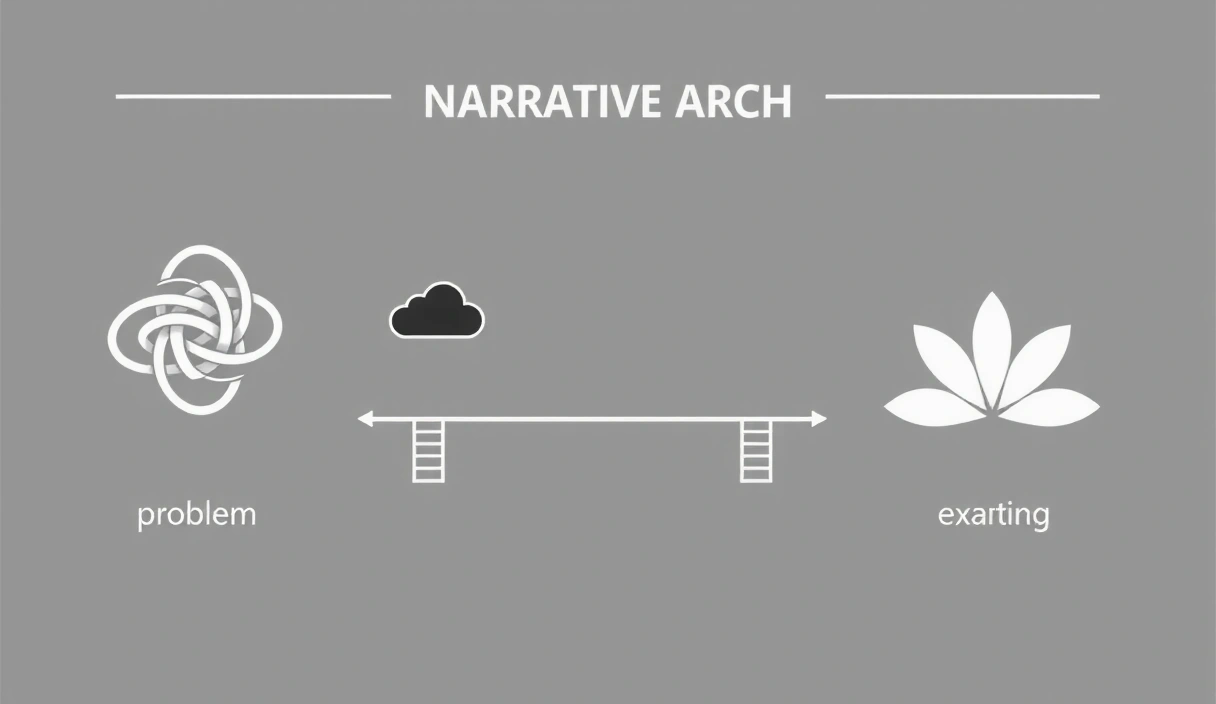
- A Clear Protagonist: This could be your customer, your brand, or even a problem your product solves. The audience needs someone to root for.
- Conflict or Challenge: Every good story has a challenge that needs to be overcome. This creates tension and keeps the audience engaged.
- Resolution and Transformation: Show how the challenge is met, and how the protagonist (or the audience) is transformed for the better. This is where your product or service often plays a pivotal role.
- Authenticity: Be genuine. Consumers are adept at spotting inauthenticity. Your story should reflect your brand's true values and mission.
- Relatability: The audience should be able to see themselves or their experiences within your story.
Crafting Your Brand's Digital Story
Developing a compelling digital story requires thoughtful planning and execution. It's not just about what you say, but how you say it, and through which channels:
- Know Your Audience: Understand their pain points, aspirations, and values. Your story should speak directly to them.
- Define Your Core Message: What is the single most important idea you want your audience to take away?
- Choose Your Mediums Wisely: Video, blog posts, social media updates, podcasts, interactive experiences – each medium offers unique storytelling opportunities.
- Show, Don't Tell: Instead of stating "we are innovative," tell a story about a time your brand innovated to solve a customer's problem.
- Incorporate User-Generated Content: Encourage customers to share their own stories with your product. This builds social proof and authenticity.
- Maintain Consistency: Your brand story should be consistent across all platforms and touchpoints.
Measuring the Impact of Storytelling
While storytelling's impact can feel intangible, its effects can be measured through various digital marketing metrics:
- Engagement Rates: Higher likes, shares, comments, and time spent on content.
- Brand Recall: Surveys and direct feedback can gauge how well your brand message is remembered.
- Conversion Rates: Ultimately, compelling stories should lead to desired actions, whether it's a purchase, a sign-up, or a download.
- Customer Loyalty: Repeat purchases and brand advocacy indicate a strong emotional connection.
Embracing storytelling in your digital marketing strategy is not just a trend; it's a fundamental shift towards more human-centric communication. By crafting compelling narratives, brandmode helps businesses forge stronger connections with their audience, build lasting relationships, and achieve meaningful growth in the digital age. Let us help you tell your unique story.